


Starting Your Backyard Chicken Journey: Backyard Chicken Care Basics
- Megan Veraldi
- 4 days ago
- 4 min read

Starting a backyard chicken journey is one of the most rewarding experiences you can have. Whether you want fresh eggs, natural pest control, or simply the joy of watching your flock grow, chickens bring a lot of life to your outdoor space. I remember when I first started - it felt a bit overwhelming, but with the right guidance, it quickly became a fun and fulfilling hobby. Let me walk you through the essentials of backyard chicken care basics so you can start your own flock with confidence!
Understanding Backyard Chicken Care Basics
Before you bring home your first chickens, it’s important to understand the basics of their care. Chickens are surprisingly easy to care for, but they do have specific needs that must be met to keep them healthy and happy.
Shelter: Chickens need a secure coop to protect them from predators and harsh weather. The coop should be well-ventilated but draft-free.
Space: Each chicken needs about 3-4 square feet inside the coop and 8-10 square feet in the outdoor run.
Food and Water: Fresh water should always be available. Feed them a balanced diet with quality layer pellets, supplemented with kitchen scraps and occasional treats.
Cleanliness: Regularly clean the coop and replace bedding to prevent disease.
Health Checks: Watch for signs of illness like lethargy, loss of appetite, or unusual droppings.
Starting with these basics will set you up for success. Chickens are social creatures, so they thrive when they have company and a safe, comfortable environment.
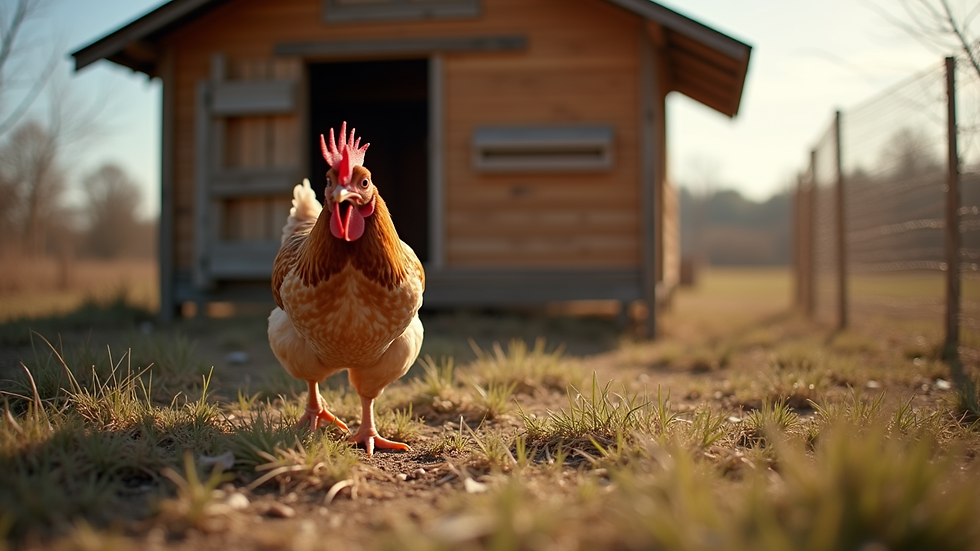
Coop and run setup for a happy backyard flock
Choosing the Right Breed for Your Backyard
Not all chickens are created equal! When starting your backyard chicken journey, picking the right breed is key. Some breeds are better for egg production, others for meat, and some are just great pets.
Egg Layers: Rhode Island Reds, Leghorns, and Sussex are excellent layers, producing lots of eggs.
Dual Purpose: Plymouth Rocks and Orpingtons are good for both eggs and meat.
Friendly Pets: Silkies and Cochins are known for their gentle nature and make great companions.
Think about your goals. Do you want lots of eggs? Or maybe a few chickens that are easy to handle and friendly with kids? Also, consider your climate. Some breeds handle cold better, while others prefer warmer weather.
How Many Chickens Should a Beginner Start With?
One of the first questions I had was, “How many chickens should I start with?” It’s tempting to get a big flock right away, but starting small is smarter.
Start with 3-5 chickens: This number is manageable and gives your birds enough company.
Space considerations: Make sure your coop and run can comfortably house your flock.
Egg needs: On average, one hen lays about 4-5 eggs per week. So 3 hens can provide roughly a dozen eggs weekly.
Starting with a small flock helps you learn the ropes without feeling overwhelmed. You can always add more chickens later once you’re comfortable with the care routine.
Setting Up Your Chicken Coop and Run
A good coop and run are the heart of backyard chicken care basics. Your chickens need a safe place to sleep, lay eggs, and roam.
Coop design: It should be predator-proof with sturdy locks and hardware cloth instead of chicken wire.
Nesting boxes: Provide one box for every 3-4 hens. Line them with straw or wood shavings.
Perches: Chickens love to roost off the ground at night. Install perches inside the coop.
Run space: A secure outdoor run lets chickens scratch and peck safely.
Don’t forget about easy access for cleaning and egg collection. A well-designed coop makes your life easier and keeps your chickens happy.

Chickens enjoying their safe and spacious outdoor run
Feeding and Nutrition Tips for Healthy Chickens
Feeding your chickens well is crucial. Good nutrition means healthy birds and tasty eggs.
Starter feed: For chicks, use a high-protein starter feed.
Layer feed: Once hens start laying, switch to layer pellets with added calcium.
Fresh water: Always keep water clean and fresh.
Treats: Offer kitchen scraps like vegetable peels, but avoid salty or sugary foods.
Grit: Chickens need grit (small stones) to help digest their food.
I like to scatter some scratch grains in the run to encourage natural foraging behavior. It keeps them active and happy!
Keeping Your Flock Healthy and Safe
Health and safety are top priorities. Here are some tips to keep your flock thriving:
Regular health checks: Look for signs of mites, lice, or illness.
Clean environment: Change bedding weekly and clean feeders and waterers.
Predator protection: Secure your coop and run with locks and buried fencing.
Vaccinations: Check with local vets or hatcheries about vaccinations.
Quarantine new birds: Keep new chickens separate for a few weeks to prevent disease spread.
By staying vigilant, you’ll catch problems early and keep your flock strong.
Why I Recommend Raising Backyard Chickens for Beginners
If you’re just starting out, I highly recommend checking out resources on raising backyard chickens for beginners. They offer practical advice, step-by-step guides, and community support that can make your journey smoother. Learning from experienced keepers helps you avoid common mistakes and enjoy your flock even more.
Enjoying the Rewards of Your Backyard Flock
There’s nothing quite like collecting fresh eggs from your own backyard. Plus, chickens are entertaining and can even help reduce pests in your garden. Watching them scratch, peck, and interact is a daily joy.
Eggs: Fresh, organic, and delicious.
Garden helpers: Chickens eat bugs and turn compost.
Companionship: They have unique personalities and can be quite friendly.
Starting your backyard chicken journey is a wonderful way to connect with nature and enjoy fresh food right at home.
Your Next Steps to a Happy Flock
Ready to start? Here’s a quick checklist to get you going:
Research local regulations about keeping chickens.
Choose your breed and number of chickens.
Build or buy a secure coop and run.
Purchase quality feed and supplies.
Plan for daily care and cleaning.
Order your chicks or pullets from a trusted source.
Remember, patience and consistency are key. Your chickens will thank you with health and happiness!
Starting your backyard chicken journey is a fantastic adventure. With the right care basics, a little planning, and lots of love, you’ll have a thriving flock in no time. Happy chicken keeping!



Comments