


Beginner’s Guide to Raising Backyard Chickens: Backyard Chicken Basics
- Megan Veraldi
- Mar 20
- 4 min read

If you’ve ever thought about starting a small flock of chickens in your backyard, you’re in the right place! Raising chickens is a rewarding hobby that brings fresh eggs, natural pest control, and a bit of farm charm right to your home. I remember when I first started, it felt a bit overwhelming. But with the right info and a little patience, it’s easier than you think. Let’s dive into the backyard chicken basics and get you set up for success!
Understanding Backyard Chicken Basics
Before you bring home your feathered friends, it’s important to understand the essentials. Chickens need a safe, comfortable space to live, proper food, and daily care. They’re social animals, so they thrive in groups. Plus, they’re pretty hardy but do need protection from predators and harsh weather.
Here’s a quick rundown of what you’ll need:
Coop and run: A secure shelter to sleep and lay eggs, plus an outdoor area to roam.
Feed and water: Fresh water daily and a balanced diet with quality chicken feed.
Bedding: Straw or wood shavings to keep the coop clean and dry.
Health care: Regular checks for mites, lice, and signs of illness.
Starting with these basics will help your chickens stay happy and healthy. Remember, a well-maintained coop is the heart of your backyard flock!

Setting Up Your Chicken Coop and Run
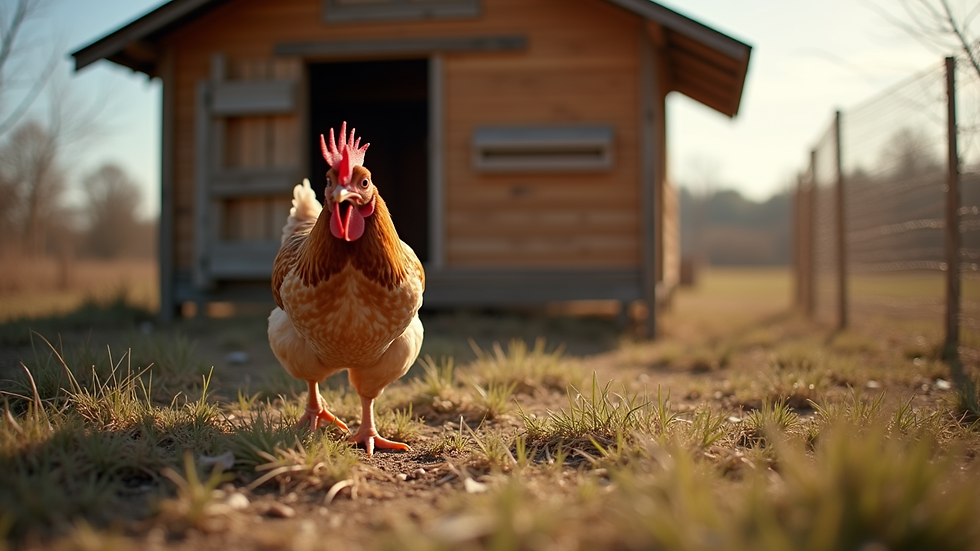
One of the first steps is building or buying a coop that fits your space and number of chickens. The coop should be:
Well-ventilated but draft-free
Predator-proof with secure locks and hardware cloth
Easy to clean with removable trays or access doors
Spacious enough for each chicken to have about 4 square feet inside the coop and 10 square feet in the run
Inside the coop, provide nesting boxes for egg-laying (one box per 3-4 hens) and perches for roosting at night. Chickens love to perch off the ground to feel safe.
The run should be covered with a roof or netting to protect from hawks and other predators. Make sure the fencing extends underground or use hardware cloth to prevent digging predators.
Setting up a good coop and run is a big step toward a happy flock. It’s worth investing time and effort here!
How many chickens should a beginner start with?
Starting small is the best way to learn. I recommend beginning with 3 to 6 hens. This number is manageable and gives you enough eggs for your household without overwhelming you.
Why not just one? Chickens are social creatures and get lonely. A small group keeps them happy and reduces stress. Plus, with a few hens, you’ll get a steady supply of eggs without needing a huge setup.
If you have limited space, 3 hens can be perfect. If you want more eggs or have a bigger yard, 6 is a great number to start with. You can always add more later once you’re comfortable.
Feeding Your Chickens: What They Need to Thrive
Feeding chickens is simple but important. Their diet affects their health, egg production, and behavior. Here’s what to keep in mind:
Commercial layer feed: This is specially formulated with the right balance of protein, calcium, and vitamins.
Fresh water: Always available and changed daily.
Treats and scraps: Kitchen scraps like vegetable peels, grains, and occasional fruits are great, but avoid anything toxic like onions, chocolate, or raw beans.
Grit: Chickens need grit (small stones) to help digest their food since they don’t have teeth.
I like to scatter some scratch grains in the run to encourage natural foraging behavior. It keeps them busy and happy!
Remember, consistency is key. Feed your chickens at the same times each day and keep their water fresh. This routine helps them feel secure.

Daily Care and Maintenance Tips
Taking care of chickens is a daily commitment but not a huge time sink. Here’s a simple checklist to keep your flock healthy:
Check water and food: Refill and clean containers.
Collect eggs: Daily egg collection keeps eggs clean and encourages hens to lay in the boxes.
Spot clean the coop: Remove wet or soiled bedding.
Observe your chickens: Look for signs of illness like lethargy, loss of appetite, or unusual behavior.
Secure the coop: Close doors and locks every evening to keep predators out.
Weekly, do a deeper clean of the coop and replace bedding. Monthly, check for parasites and trim beaks or nails if needed.
Spending just 15-20 minutes a day on these tasks keeps your chickens happy and your coop in great shape.
Why Raising Backyard Chickens is So Rewarding
There’s something special about collecting fresh eggs every morning. It’s a small joy that connects you to nature and the food you eat. Plus, chickens help reduce pests in your garden and provide natural fertilizer.
By raising backyard chickens for beginners, you’re joining a community of people who care about sustainable living and animal welfare. It’s a fun, educational experience for all ages.
If you’re in the Clayton, Raleigh, or surrounding areas, The Littles Oasis Hatchery is a fantastic local resource for healthy chicks and expert advice. They’re passionate about helping backyard flock owners succeed.
Ready to Start Your Backyard Flock?
Starting your backyard chicken journey is easier than you think. With the right setup, a small group of hens, and daily care, you’ll enjoy fresh eggs and happy chickens in no time.
Remember these key points:
Build a safe, comfortable coop and run
Start with 3 to 6 hens
Feed a balanced diet and provide fresh water
Keep up with daily care and cleaning
Enjoy the rewards of your backyard flock!
If you have questions or want to learn more, don’t hesitate to reach out to local experts or fellow chicken keepers. Happy chicken keeping!
Thanks for reading! I hope this guide helps you feel confident and excited about raising your own backyard chickens.


Comments